We're now booking projects for Q4.

Share this post


 Copied
Signup to our newsletter
Customer journey touchpoints are the moments when someone interacts with your business, from first discovering you to getting in touch and deciding whether to buy. When those moments answer the right questions and make the next step clear, more potential customers can move from interest to action.
A touchpoint might be a Google search result, a website page, a review, a phone call or a follow-up email. Each one shapes the customer experience and how someone sees your business. If the messages don’t match, the next step is hard to find or a reply takes too long, people can lose confidence and drop out of the journey.
Customer Journey vs Customer Touchpoints
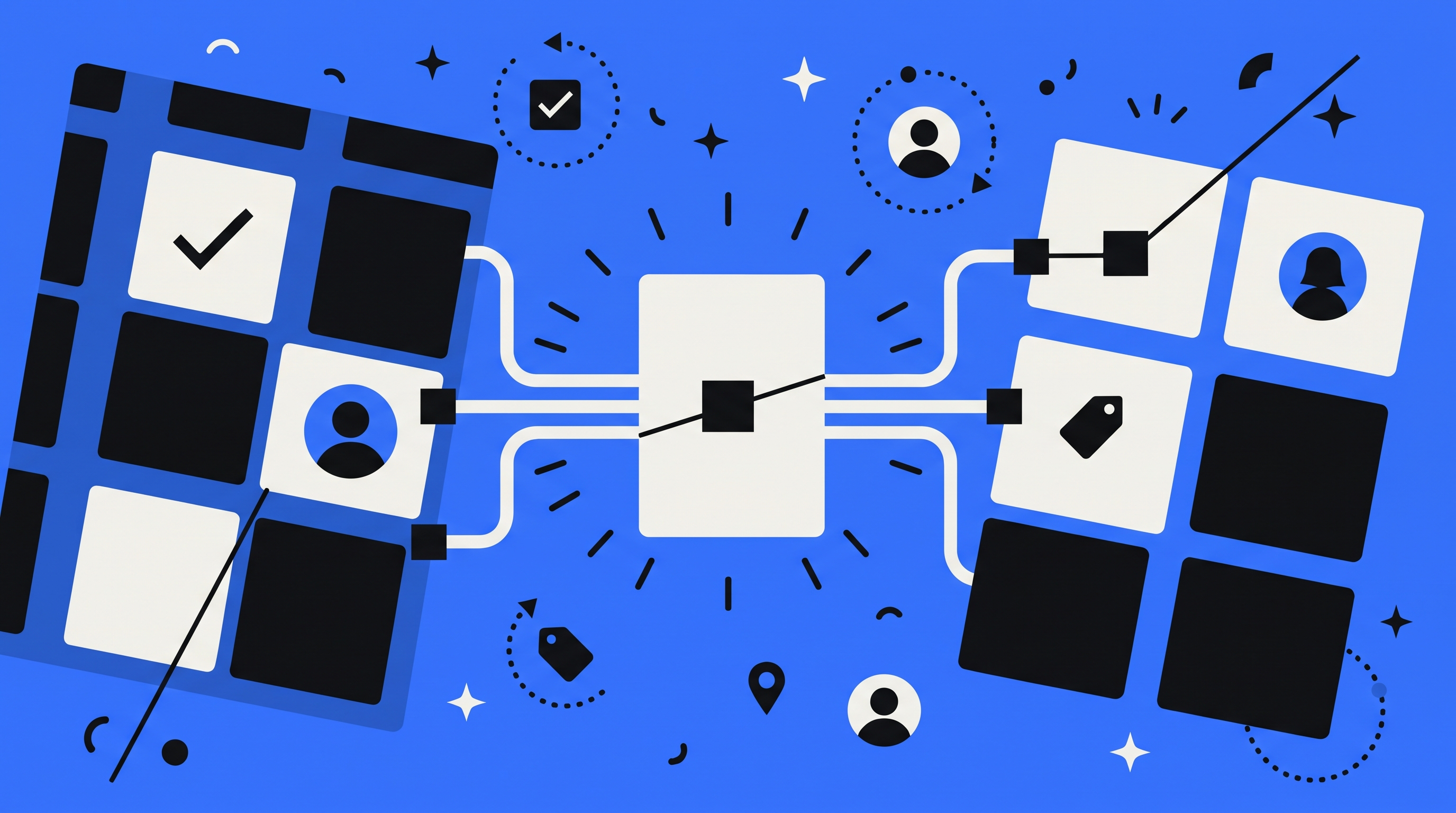
The customer journey is the overall path someone takes. Touchpoints are the individual interactions along that path. Customer journey mapping helps you see how those interactions fit together, while a customer journey map gives you a practical way to spot gaps and improve the experience.
| Concept | What it means | Example |
| Customer journey | The broader path from discovering a business to choosing it and working with it | Discover → Compare → Enquire → Decide |
| Customer touchpoint | A specific interaction along that path | Search result, service page, review, enquiry form |
This map shows how touchpoints can support someone as they move towards an enquiry. It’s one of several journey maps you could create for different customer personas or services. This planning framework is not a conversion-rate graph; the real path and drop-off points will vary by business.
Discover → Explore → Compare → Enquire → Decide
| Stage | What the potential customer may be thinking | Useful touchpoints | What to make clear |
| Discover | “Can this business help with my problem?” | Search results, adverts, referrals, social media posts | Who you help and what you do |
| Explore | “Is this relevant to me?” | Website homepage, service pages, articles | What the service includes and who it suits |
| Compare | “Why should I trust this business?” | Reviews, case studies, project examples, FAQs | Evidence, process and what to expect |
| Enquire | “What happens if I get in touch?” | Contact page, booking link, enquiry form, phone call | How to take the next step and when you’ll respond |
| Decide | “Is this the right option for me?” | Consultation, proposal, follow-up emails | Scope, costs, timing and outstanding questions |
1. Search Results and First Impressions
Search listings, adverts and referrals are often the first time someone encounters your business—what may be their initial awareness of your offer. Online touchpoints such as these need to quickly show whether you’re relevant.
Use plain language to explain what you offer and who it’s for. If you serve a particular area or type of customer, make that clear. A vague headline may sound polished, but it can leave a potential customer wondering whether they’re in the right place.
2. Your Website
Your website should help visitors understand your services and choose a sensible next step. Important pages should answer practical questions such as:
- What does this service help with?
- Is it right for a business like mine?
- What’s included?
- How do I get started?
Make the next action clear. That might be booking a call, requesting a quote or asking a question. If visitors have to search for the contact details, the website is adding friction rather than removing it. Check that key digital touchpoints work well on both websites and your mobile app, if you have one.
3. Reviews, Case Studies and Examples
People want reassurance that you can deliver what you say you do. Genuine reviews, relevant project examples and clear explanations of your process can help build confidence. Customer feedback can also reveal pain points and unmet customer expectations.
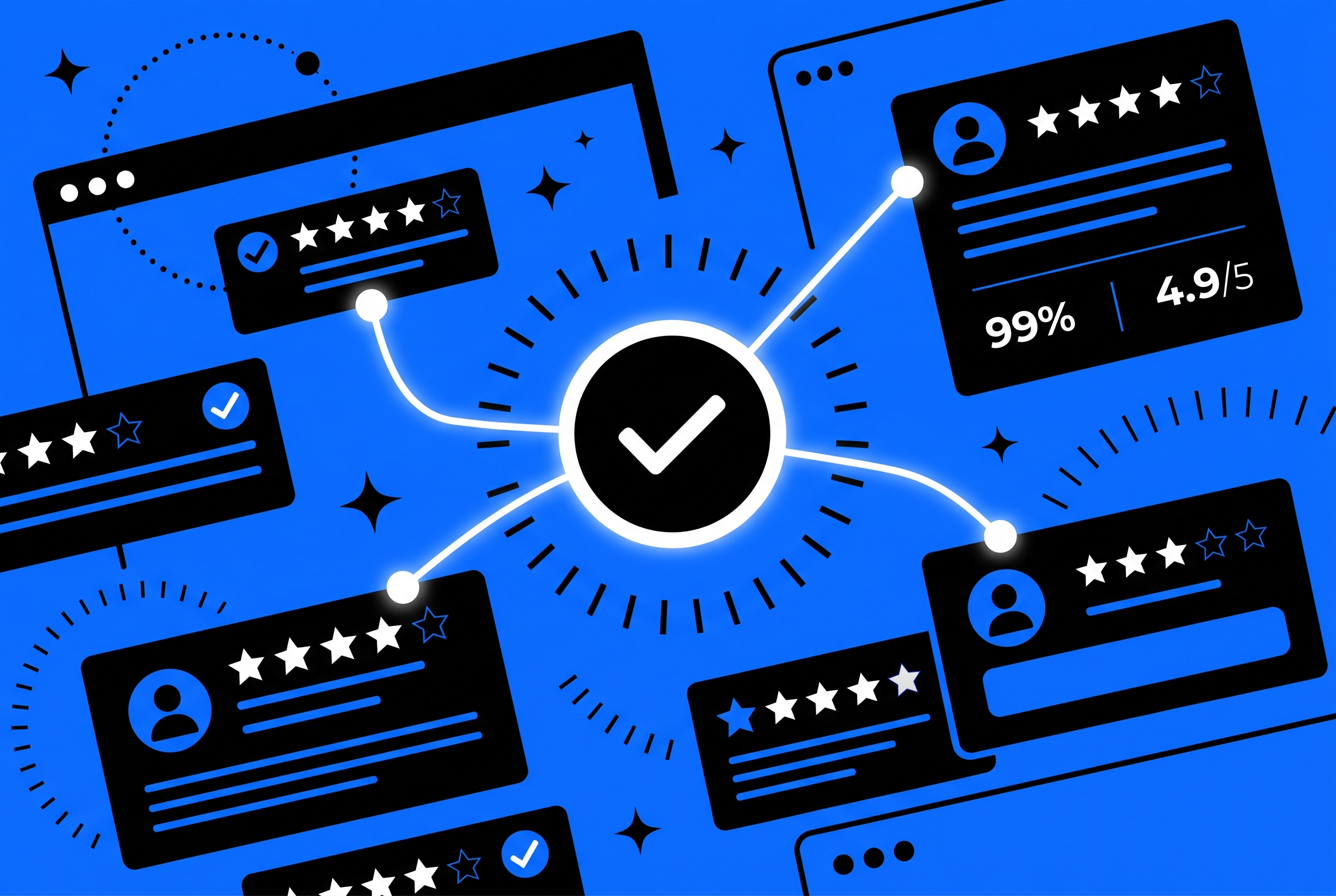
Choose evidence that relates to the service on the page. A relevant example gives potential customers a better sense of what working with you involves. Broad claims about being “the best” don’t offer much to judge.
4. Enquiry and Booking
The enquiry process is part of the customer experience. A form that asks for too much information, a booking link with no useful details or an unclear contact page can put people off.
Ask for the information you need to respond. Explain what happens next, and make it easy to contact you in the way that suits the situation, whether that’s through an online form or offline touchpoints such as a phone call.
5. Follow-Up
Not everyone who enquires is ready to make a decision immediately. A useful follow-up can answer questions, clarify next steps or provide a relevant example.
Keep it timely and personal to the enquiry. Automated messages can help with consistency across touchpoints, but they shouldn’t sound like they were sent to everyone who has ever visited your website. A helpful welcome survey during onboarding can also help your team understand a new customer’s needs.
How to Improve Each Touchpoint
| Touchpoint | Common friction | Practical improvement |
| Search result or advert | The offer or audience isn’t clear | Match the message to the service and landing page |
| Service page | Visitors can’t tell what’s included | Explain the problem solved, process and next step |
| Reviews or case studies | Proof feels generic or hard to find | Show relevant, genuine examples near related services |
| Contact form | Too many questions or unclear expectations | Reduce unnecessary fields and explain what happens next |
| Follow-up | Replies are slow or impersonal | Set a clear owner and response routine |
Website traffic and social engagement can show that people are seeing your marketing. They don’t, on their own, show whether it’s bringing in useful business. Funnel analysis can help you see where people move from one journey stage to the next.
Look at the actions that matter to your sales funnel. Depending on your business, that might mean relevant enquiries, calls booked, quotes requested or enquiries that become customers. Use customer data and surveys to understand what’s working, where people encounter customer pain points and how customer satisfaction changes over time. That insight can inform customer success, customer support and personalization efforts that improve customer engagement and customer loyalty.
| What you notice | Where to investigate | Possible next step |
| People visit a service page but rarely enquire | The page, its evidence and its call to action | Make the offer and next step clearer |
| People start a form but don’t complete it | Form length, questions and mobile experience | Remove fields you don’t need at that stage |
| Enquiries come in but don’t become conversations | Response times and follow-up process | Set a clear owner and response routine |
| Lots of enquiries aren’t a good fit | Targeting and the promise made in your marketing | Be clearer about who the service is for |
More touchpoints don’t automatically mean more conversions. The useful ones give people relevant information, build confidence and make the next step straightforward. An omnichannel approach can help create a connected end-to-end experience across online, offline and human touchpoints.
Start by mapping how potential customers discover you, assess your offer and get in touch. Journey mapping can reveal where they may be unsure, waiting or being asked to do too much. A clearer service page or a faster, more helpful follow-up can matter more than another campaign.
At AWB Digital, we bring website design, SEO, paid media, email, CRM and automation together around the commercial outcome: relevant enquiries, better bookings and stronger conversions.
If your marketing is attracting attention but not enough of the right enquiries, book a free discovery call with AWB Digital. We’ll talk through where the journey may be losing people and what to improve first.
Frequently Asked Questions
Customer journey touchpoints are the individual interactions someone has with your business, from first finding you in search results to receiving a follow-up email after an enquiry. Each one shapes how credible and easy to work with you appear.
